
Cattle Farm Livestock
-
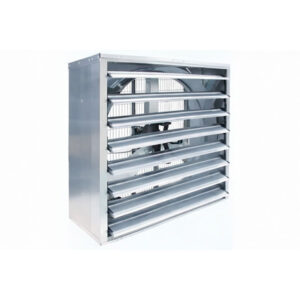
Poultry Ventilation Fan (100×100 Exhaust Fan)
Sistemtav Farm Ventilation Fan offers long-lasting and highly efficient operation thanks to its durable stainless steel blade structure. The motor system, directly coupled to the fan hub, provides up to 25% energy savings compared to belt-pulley systems, reducing operational costs. With a fan diameter of 1000 mm, 540 rpm motor speed, and 0.55 kW motor power, the unit delivers high performance. Its 32,000 m³/h airflow capacity ensures effective ventilation, while the noise level below 70 dB provides quiet operation. Operating with 380 V three-phase voltage, the Sistemtav Farm Ventilation Fan is an ideal solution for modern farms and poultry houses.
Explore -
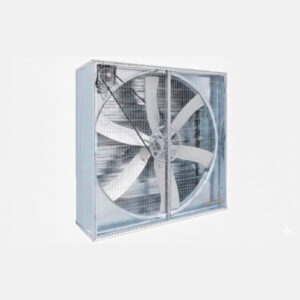
Poultry Ventilation Fan (140×140 Exhaust Fan)
Sistemtav Farm Ventilation Fan offers long-lasting and highly efficient operation thanks to its durable stainless steel blade structure. The motor system, directly coupled to the fan hub, provides up to 25% energy savings compared to belt-pulley systems, reducing operational costs. With a fan diameter of 1000 mm, 540 rpm motor speed, and 0.55 kW motor power, the unit delivers high performance. Its 32,000 m³/h airflow capacity ensures effective ventilation, while the <70 dB noise level provides quiet operation. Operating with 380 V three-phase voltage, the Sistemtav Farm Ventilation Fan is an ideal solution for modern farms and poultry houses.
Explore
Cattle farming systems play a strategic role in modern dairy and meat production farms in terms of operational efficiency, animal health, and sustainability. In professional farming operations, various technical processes such as housing management, feeding, watering, milking, and manure handling are managed through integrated systems. Especially in high-capacity facilities, monitoring and controlling all these processes through automation is essential for both productivity and profitability. With modern industrial cattle equipment, labor requirements are reduced while operational processes become more standardized and efficient.
For dairy-focused farms, dairy farm equipment forms the foundation of the infrastructure. These systems include automatic milking machines, milk cooling tanks, weighing units, sensor-based animal identification systems, and data analysis software. Thanks to the automatic milking system, the milking process can be completed quickly, hygienically, and with minimal stress on the animals. Modern milking systems integrate vacuum control, teat health monitoring, milk yield tracking, and cleaning procedures into a single automated process. As a result, milk quality and hygiene standards can meet international production requirements.
With cattle feeding and watering systems, the amount of feed and water provided per animal can be precisely controlled. Automatic feeders, sensor-operated drinkers, and centralized feed storage systems help prevent waste while ensuring every animal receives the required amount of nutrition and water. These technologies prevent performance losses during growth and development periods. The durability, easy cleaning, and long service life of feeding and watering lines directly contribute to herd health and reduce maintenance costs within the facility.
Advanced ventilation, heating, and lighting solutions are widely used in livestock housing management. Through integrated automation systems, environmental temperature, humidity, and air quality are continuously monitored, while climate control fans, windows, and heating systems automatically operate according to barn conditions. In addition, specialized manure scraper systems and automatic waste discharge units are utilized for efficient manure management. These solutions maintain hygiene within the barn, reduce environmentally harmful gas emissions, and minimize labor requirements.
Data-driven farm management has become increasingly common in modern cattle farming operations. Animal tracking through RFID ear tags, automatic weight monitoring, feed consumption analysis, health records, and productivity data are all digitally stored and managed. Through the integration of industrial cattle equipment and advanced software systems, farm operators can remotely monitor and control the entire operation while detecting potential failures or production losses in advance.
A farm equipped with this level of technical infrastructure significantly improves both animal welfare and operational efficiency. Properly designed cattle farming systems provide healthy herds, higher milk and meat production, lower operational costs, and a sustainable long-term production model. Regular maintenance, cleaning, and periodic inspections ensure long-lasting, reliable, and uninterrupted system performance.